
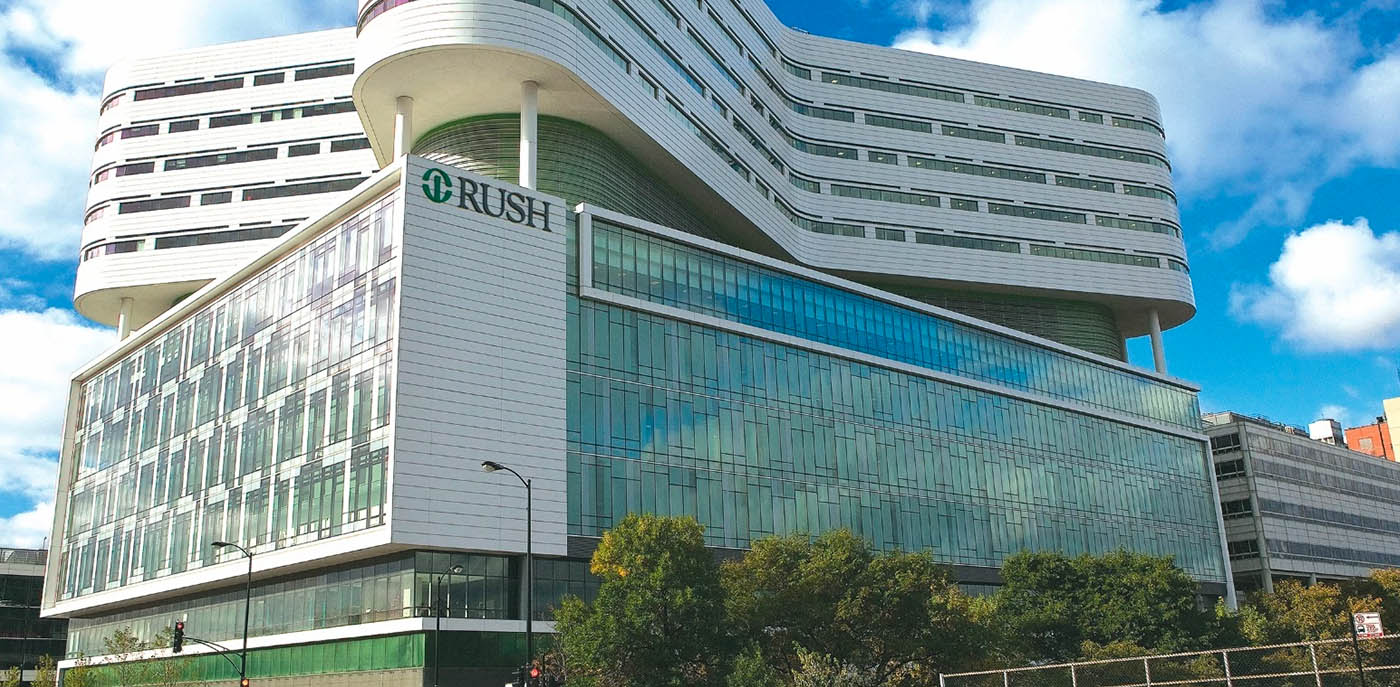
Rush University Perfusion Program, Master of Science in Cardiovascular Perfusion
Rush University Perfusion Program, Master of Science in Cardiovascular Perfusion
Rush University Perfusion Program, Master of Science in Cardiovascular Perfusion
Rush University Perfusion Program, Master of Science in Cardiovascular Perfusion
Overview:
Overview:
As integral members of the cardiovascular surgical team, perfusionists are in the operating room in any situation where it is necessary to support patients’ cardiopulmonary and circulatory functions.
As integral members of the cardiovascular surgical team, perfusionists are in the operating room in any situation where it is necessary to support patients’ cardiopulmonary and circulatory functions.
This cardiovascular perfusion master’s degree program (formerly known as Perfusion Technology) prepares you for a career as an advanced perfusionist. You’ll also train to be a leader in your chosen specialization, whether it’s education, research or clinical. The rigorous curriculum includes coursework and clinical field work, which are completed at Rush University and its affiliated clinical sites.
This cardiovascular perfusion master’s degree program (formerly known as Perfusion Technology) prepares you for a career as an advanced perfusionist. You’ll also train to be a leader in your chosen specialization, whether it’s education, research or clinical. The rigorous curriculum includes coursework and clinical field work, which are completed at Rush University and its affiliated clinical sites.
After graduating from the perfusion program, you will be qualified to sit for the certification examination of the American Board of Cardiovascular Perfusion.
After graduating from the perfusion program, you will be qualified to sit for the certification examination of the American Board of Cardiovascular Perfusion.
Cardiovascular Perfusion career options
Cardiovascular Perfusion career options
Program graduates are highly sought after and are successfully employed in the Chicago area and nationwide. Graduates work in a variety of settings, including teaching institutions, major medical centers, community hospitals, private perfusion groups, and physician and surgeon groups.
Program graduates are highly sought after and are successfully employed in the Chicago area and nationwide. Graduates work in a variety of settings, including teaching institutions, major medical centers, community hospitals, private perfusion groups, and physician and surgeon groups.
Many perfusionists are eligible to advance to chief perfusionist and perfusion program director. Perfusionists with research skills may collaborate on projects with physicians and researchers.
Many perfusionists are eligible to advance to chief perfusionist and perfusion program director. Perfusionists with research skills may collaborate on projects with physicians and researchers.
Accreditation summary
Accreditation summary
The Master of Science in cardiovascular perfusion program is accredited by the Commission on Accreditation of Allied Health Education Programs (www.caahep.org) upon the recommendation of the Accreditation Committee-Perfusion Education (AC-PE). The Commission on Accreditation of Allied Health Education Programs: 25400 US Highway 19 North, Suite 158, Clearwater, FL 33763. Phone: (727) 210-2350.
The Master of Science in cardiovascular perfusion program is accredited by the Commission on Accreditation of Allied Health Education Programs (www.caahep.org) upon the recommendation of the Accreditation Committee-Perfusion Education (AC-PE). The Commission on Accreditation of Allied Health Education Programs: 25400 US Highway 19 North, Suite 158, Clearwater, FL 33763. Phone: (727) 210-2350.
Program Overview
Program Overview
The Master of Science degree is intended for those whose baccalaureate degree is in a field other than cardiovascular perfusion. The Cardiovascular Perfusion program curriculum provides the knowledge, clinical experiences and opportunity for our students to achieve competence in the practice of cardiovascular perfusion.
The Master of Science degree is intended for those whose baccalaureate degree is in a field other than cardiovascular perfusion. The Cardiovascular Perfusion program curriculum provides the knowledge, clinical experiences and opportunity for our students to achieve competence in the practice of cardiovascular perfusion.
This medical specialty has become increasingly important in the health care field. The perfusionist serves primarily as part of the cardiovascular surgical team, operating the heart-lung machine during open-heart surgery. The perfusionist is also responsible for other life-support equipment, such as intra-aortic balloon pumps, ventricular assist devices and extracorporeal membrane oxygenation. In addition to cardiovascular surgery, additional professional practice may include veno-venous bypass for liver transplantation, isolated limb or organ chemotherapy perfusion, cardiopulmonary bypass supported cardiac catheterization procedures and blood salvaging for orthopedic or general surgery procedures.
This medical specialty has become increasingly important in the health care field. The perfusionist serves primarily as part of the cardiovascular surgical team, operating the heart-lung machine during open-heart surgery. The perfusionist is also responsible for other life-support equipment, such as intra-aortic balloon pumps, ventricular assist devices and extracorporeal membrane oxygenation. In addition to cardiovascular surgery, additional professional practice may include veno-venous bypass for liver transplantation, isolated limb or organ chemotherapy perfusion, cardiopulmonary bypass supported cardiac catheterization procedures and blood salvaging for orthopedic or general surgery procedures.
Students in the Cardiovascular Perfusion program will benefit from the teaching and research expertise of established scholars and practitioners. The program is committed to providing increased opportunities for experiential learning at nationally ranked cardiac centers across the country.
Students in the Cardiovascular Perfusion program will benefit from the teaching and research expertise of established scholars and practitioners. The program is committed to providing increased opportunities for experiential learning at nationally ranked cardiac centers across the country.
Cardiovascular Perfusion: Admission Requirements
Cardiovascular Perfusion: Admission Requirements
- A baccalaureate degree from an accredited college or university. A baccalaureate degree from an accredited college or university.
- Receipt of official transcripts from each institution of higher education attended.If a college or university outside the United States conferred the baccalaureate degree, the Education Credentials Evaluators, or ECE, must evaluate international transcripts. A detailed course-by-course report is required. Contact ECE at (414) 289-3400 or www.ece.org. Receipt of official transcripts from each institution of higher education attended.
- If a college or university outside the United States conferred the baccalaureate degree, the Education Credentials Evaluators, or ECE, must evaluate international transcripts. A detailed course-by-course report is required. Contact ECE at (414) 289-3400 or www.ece.org. If a college or university outside the United States conferred the baccalaureate degree, the Education Credentials Evaluators, or ECE, must evaluate international transcripts. A detailed course-by-course report is required. Contact ECE at (414) 289-3400 or www.ece.org.
- Cumulative and science GPA of 3.0 on a 4.0 scale. Cumulative and science GPA of 3.0 on a 4.0 scale.
- Receipt of three letters of recommendation. Receipt of three letters of recommendation.
- Applicants who did not complete high school in the United States must submit TOEFL scores. Applicants who did not complete high school in the United States must submit TOEFL scores.
- The following courses must be completed with a grade of C or better prior to enrolling. Required courses must be taken for a letter grade rather than a pass-fail option. The following courses must be completed with a grade of C or better prior to enrolling. Required courses must be taken for a letter grade rather than a pass-fail option.
Natural and Biological Sciences
Natural and Biological Sciences
16 semester hours or 24 quarter hoursScience courses must include the following:
16 semester hours or 24 quarter hours
Science courses must include the following:
- One semester of inorganic chemistry One semester of inorganic chemistry
- One semester of physics One semester of physics
- One semester of a human anatomy course AND One semester of a human anatomy course AND
- One semester of a human physiology course OR One semester of a human physiology course OR
- Two semesters of a combined anatomy and physiology course with a laboratory component Two semesters of a combined anatomy and physiology course with a laboratory component
Some community college introductory science classes may not be comprehensive enough to satisfy the prerequisite requirements. For any questions about courses, please contact the Office of College Admission Services at (312) 942-7100 to speak with an admissions counselor.
Some community college introductory science classes may not be comprehensive enough to satisfy the prerequisite requirements. For any questions about courses, please contact the Office of College Admission Services at (312) 942-7100 to speak with an admissions counselor.
Mathematics and Statistics
Mathematics and Statistics
Two college-level mathematics courses, which must include an introductory course in statistics.
Two college-level mathematics courses, which must include an introductory course in statistics.
English Composition
English Composition
Two courses or documented proficiency at composition II level. Although not required, applicants are encouraged to take additional courses focusing on written communication, because writing skills are essential for the successful completion of the Cardiovascular Perfusion Program.
Two courses or documented proficiency at composition II level. Although not required, applicants are encouraged to take additional courses focusing on written communication, because writing skills are essential for the successful completion of the Cardiovascular Perfusion Program.
Social Sciences
Social Sciences
14 semester hours or 20 quarter hoursCourse work must include the following:
14 semester hours or 20 quarter hours
Course work must include the following:
- Introduction to psychology Introduction to psychology
- Introduction to sociology Introduction to sociology
- Other social science courses (may include psychology, sociology, economics, history and anthropology) Other social science courses (may include psychology, sociology, economics, history and anthropology)
Humanities
Humanities
Eight semester hours or 12 quarter hours
Eight semester hours or 12 quarter hours
- Humanities courses include the following: religion, philosophy, foreign languages, literature, or the history of art, music, theater, film or dance. Studio art classes, instrumental music classes, and speech classes are not acceptable. Humanities courses include the following: religion, philosophy, foreign languages, literature, or the history of art, music, theater, film or dance. Studio art classes, instrumental music classes, and speech classes are not acceptable.
- Medical Terminology Medical Terminology
Applicants must complete all the required prerequisite coursework with a grade of C or better prior to enrolling at Rush.
Applicants must complete all the required prerequisite coursework with a grade of C or better prior to enrolling at Rush.
Additional Recommendation
Additional Recommendation
In addition, it is highly recommended that prospective students talk to a clinical perfusionist and, if possible, observe aprocedure requiring the use of cardiopulmonary bypass.
In addition, it is highly recommended that prospective students talk to a clinical perfusionist and, if possible, observe a procedure requiring the use of cardiopulmonary bypass.
Cardiovascular Perfusion Technical Standards
Cardiovascular Perfusion Technical Standards
Rush University is committed to diversity and to attracting and educating students who will make the population of health care professionals representative of the national population.
Rush University is committed to diversity and to attracting and educating students who will make the population of health care professionals representative of the national population.
Our core values – I CARE (innovation, collaboration, accountability, respect and excellence) translate into our work with all students, including those with disabilities. Rush actively collaborates with students to develop innovative ways to ensure accessibility and creates a respectful, accountable culture through our confidential and specialized disability support.
Our core values – I CARE (innovation, collaboration, accountability, respect and excellence) translate into our work with all students, including those with disabilities. Rush actively collaborates with students to develop innovative ways to ensure accessibility and creates a respectful, accountable culture through our confidential and specialized disability support.
Rush is committed to excellence in accessibility. We encourage students with disabilities to disclose and seek accommodations.
Rush is committed to excellence in accessibility. We encourage students with disabilities to disclose and seek accommodations.
The following technical functions are required of all students enrolled in the Cardiovascular Perfusion program:
The following technical functions are required of all students enrolled in the Cardiovascular Perfusion program:
Acquire Information
Acquire Information
- Acquire information from demonstrations and experiences in courses such as lecture, group and physical demonstrations Acquire information from demonstrations and experiences in courses such as lecture, group and physical demonstrations
- Acquire information from written documents and computer systems (e.g., literature searches and data retrieval) Acquire information from written documents and computer systems (e.g., literature searches and data retrieval)
- Identify information presented in accessible images from paper, slides, videos with audio description and transparencies Identify information presented in accessible images from paper, slides, videos with audio description and transparencies
- Recognize and assess patient changes in mood, activity, cognition, verbal and non-verbal communication Recognize and assess patient changes in mood, activity, cognition, verbal and non-verbal communication
Use and Interpret
Use and Interpret
- Use and interpret information from assessment techniques/maneuvers Use and interpret information from assessment techniques/maneuvers
- Use and interpret information related to physiologic phenomena generated from diagnostic tools Use and interpret information related to physiologic phenomena generated from diagnostic tools
Motor
Motor
- Possess psychomotor skills necessary to provide or assist in holistic cardiovascular perfusion care and perform or assist with procedures and treatments Possess psychomotor skills necessary to provide or assist in holistic cardiovascular perfusion care and perform or assist with procedures and treatments
- Practice in a safe manner and appropriately provide cardiovascular perfusion care and assessment in emergencies and life support procedures, and perform universal precautions against contamination Practice in a safe manner and appropriately provide cardiovascular perfusion care and assessment in emergencies and life support procedures, and perform universal precautions against contamination
Communication
Communication
- Communicate effectively and sensitively with patients and families Communicate effectively and sensitively with patients and families
- Communicate effectively with faculty, preceptors and all members of the health care team during practicum and other learning experiences Communicate effectively with faculty, preceptors and all members of the health care team during practicum and other learning experiences
- Accurately elicit information, including a medical history and other information, to adequately and effectively evaluate a population’s, client’s or patient’s condition Accurately elicit information, including a medical history and other information, to adequately and effectively evaluate a population’s, client’s or patient’s condition
Intellectual Ability
Intellectual Ability
- Measure, calculate, reason, analyze and synthesize data related to diagnosis and treatment of patients and populations Measure, calculate, reason, analyze and synthesize data related to diagnosis and treatment of patients and populations
- Exercise proper judgment and complete responsibilities in a timely and accurate manner according to the cardiovascular perfusion role Exercise proper judgment and complete responsibilities in a timely and accurate manner according to the cardiovascular perfusion role
- Synthesize information, problem-solve and think critically to judge the most appropriate theory, assessment or treatment strategy Synthesize information, problem-solve and think critically to judge the most appropriate theory, assessment or treatment strategy
Behavioral
Behavioral
- Maintain mature, sensitive, effective relationships with clients/patients, families, students, faculty, staff, preceptors and other professionals under all circumstances Maintain mature, sensitive, effective relationships with clients/patients, families, students, faculty, staff, preceptors and other professionals under all circumstances
- Exercise skills of diplomacy to advocate for patients in need Exercise skills of diplomacy to advocate for patients in need
- Possess emotional stability to function under stress and adapt to rapidly changing environments inherent to the classroom and practice settings Possess emotional stability to function under stress and adapt to rapidly changing environments inherent to the classroom and practice settings
Character
Character
- Demonstrate concern for others Demonstrate concern for others
- Integrity, accountability, interest and motivation are necessary personal qualities Integrity, accountability, interest and motivation are necessary personal qualities
- Demonstrate intent and desire to follow the Rush University and Cardiovascular Perfusion code of ethics Demonstrate intent and desire to follow the Rush University and Cardiovascular Perfusion code of ethics
The technical standards delineated above must be met with or without accommodation. Students who, after review of the technical standards, determine they require reasonable accommodation to fully engage in the program should contact the Office of Student Disability Services to confidentially discuss their accommodations needs.
The technical standards delineated above must be met with or without accommodation. Students who, after review of the technical standards, determine they require reasonable accommodation to fully engage in the program should contact the Office of Student Disability Services to confidentially discuss their accommodations needs.
Given the clinical nature of our programs, time may be needed to implement the accommodations. Accommodations are never retroactive; therefore, timely requests are essential and encouraged. To learn more about accommodations at Rush University please contact the Office of Student Disability Services:
Given the clinical nature of our programs, time may be needed to implement the accommodations. Accommodations are never retroactive; therefore, timely requests are essential and encouraged. To learn more about accommodations at Rush University please contact the Office of Student Disability Services:
Marie Ferro-Lusk, MBA, MSW, LSWManager, Office of Student Disability ServicesRush University600 S. Paulina St., Suite 440Chicago, IL 60612(312) 942-5237Marie_S_Ferro-Lusk@rush.edu
Marie Ferro-Lusk, MBA, MSW, LSW
Manager, Office of Student Disability Services
Rush University
600 S. Paulina St., Suite 440
Chicago, IL 60612
(312) 942-5237
Cardiovascular Perfusion: Educational Activities
Cardiovascular Perfusion: Educational Activities
The faculty of the department is responsible for providing both the didactic coursework and the clinical experiences necessary for the completion of the Master of Science degree in Cardiovascular Perfusion. The program is accredited by the Accreditation Committee-Perfusion Education of the Commission on Accreditation of Allied Health Education Programs.
The faculty of the department is responsible for providing both the didactic coursework and the clinical experiences necessary for the completion of the Master of Science degree in Cardiovascular Perfusion. The program is accredited by the Accreditation Committee-Perfusion Education of the Commission on Accreditation of Allied Health Education Programs.
Cardiovascular Perfusion: Service Activities
Cardiovascular Perfusion: Service Activities
Faculty members are licensed perfusion technologists actively involved in the daily activities of the Department of Extracorporeal Services.
Faculty members are licensed perfusion technologists actively involved in the daily activities of the Department of Extracorporeal Services.
Cardiovascular Perfusion (MS): Curriculum
Cardiovascular Perfusion (MS): Curriculum
Central themes of evidence-based practice, leadership, cultural competence, technology integration and scholarship are addressed throughout the program and recognized by the professional commitments of our graduates and faculty.
Central themes of evidence-based practice, leadership, cultural competence, technology integration and scholarship are addressed throughout the program and recognized by the professional commitments of our graduates and faculty.
The Cardiovascular Perfusion program curriculum provides the knowledge, clinical experiences and opportunity for our students to gain competence in the practice of cardiovascular perfusion.
The Cardiovascular Perfusion program curriculum provides the knowledge, clinical experiences and opportunity for our students to gain competence in the practice of cardiovascular perfusion.
Students in the Cardiovascular Perfusion program benefit from the teaching and research expertise of established scholars and practitioners. The program is committed to providing increased opportunities for experiential learning at nationally ranked cardiac centers across the country.
Students in the Cardiovascular Perfusion program benefit from the teaching and research expertise of established scholars and practitioners. The program is committed to providing increased opportunities for experiential learning at nationally ranked cardiac centers across the country.
Graduates of the program will be qualified to sit for the certification examination of the American Board of Cardiovascular Perfusion.
Graduates of the program will be qualified to sit for the certification examination of the American Board of Cardiovascular Perfusion.
Admissions requirements
Admissions requirements
To be considered for admission into the cardiovascular perfusion master’s program, you must have the following qualifications:
To be considered for admission into the cardiovascular perfusion master’s program, you must have the following qualifications:
-
Bachelor’s degree earned from a regionally accredited college or university prior to matriculation Bachelor’s degree earned from a regionally accredited college or university prior to matriculation
-
Cumulative and science grade point averages (GPA) of 3.0 on a 4.0 scale Cumulative and science grade point averages (GPA) of 3.0 on a 4.0 scale
-
Ability to perform the essential functions of the job (support is available for students with disabilities) Ability to perform the essential functions of the job ( support is available for students with disabilities )
-
The following prerequisite courses completed with a grade of “C” or better prior to matriculation: The following prerequisite courses completed with a grade of “C” or better prior to matriculation:
-
Natural and biological sciences, 16 semester hours or 24 quarter hours, including the following courses:Human anatomy and physiology, one semester each or two semesters of a combined course with a lab componentInorganic chemistry, one semesterPhysics, one semester Natural and biological sciences, 16 semester hours or 24 quarter hours, including the following courses:
-
Human anatomy and physiology, one semester each or two semesters of a combined course with a lab component Human anatomy and physiology, one semester each or two semesters of a combined course with a lab component
-
Inorganic chemistry, one semester Inorganic chemistry, one semester
-
Physics, one semester Physics, one semester
-
Mathematics, two courses, including:Statistics, one semesterCollege algebra (or higher-level math), one semester Mathematics, two courses, including:
-
Statistics, one semester Statistics, one semester
-
College algebra (or higher-level math), one semester College algebra (or higher-level math), one semester
-
English composition, two courses (typically 6 semester hours or 8 quarter hours total) English composition, two courses (typically 6 semester hours or 8 quarter hours total)
-
Social sciences, 14 semester hours or 20 quarter hours, including the following courses:Introduction to psychologyIntroduction to sociologyOther social science courses may include psychology, sociology, economics, history or anthropology Social sciences, 14 semester hours or 20 quarter hours, including the following courses:
-
Introduction to psychology Introduction to psychology
-
Introduction to sociology Introduction to sociology
-
Other social science courses may include psychology, sociology, economics, history or anthropology Other social science courses may include psychology, sociology, economics, history or anthropology
-
Humanities, 8 semester hours or 12 quarter hours. Please note the following:Humanities courses may include religion, philosophy, foreign languages, literature, or the history of art, music, theater, film or danceStudio art, instrumental music and speech classes are not acceptable Humanities, 8 semester hours or 12 quarter hours. Please note the following:
-
Humanities courses may include religion, philosophy, foreign languages, literature, or the history of art, music, theater, film or dance Humanities courses may include religion, philosophy, foreign languages, literature, or the history of art, music, theater, film or dance
-
Studio art, instrumental music and speech classes are not acceptable Studio art, instrumental music and speech classes are not acceptable
-
Medical Terminology, one course Medical Terminology, one course
Additional information about perfusion school program:
Additional information about perfusion school program:
Students Admitted: 15Program Length: 21 monthsIn state tuition: $36,729Out of state tuition: $36,729Degree: Master of Science in Perfusion Technology
Students Admitted: 15
Program Length: 21 months
In state tuition: $36,729
Out of state tuition: $36,729
Degree: Master of Science in Perfusion Technology Learn More About the School/Program